

To view as a printable PDF, click HERE
Vinmetrica has been around since 2010 and over the past 16 years we have seen, heard, and learned about pretty much every common problem as it pertains to winemaking. Although we mostly help out with technical support using our Vinmetrica SC series systems, we do occasionally get a call about helping with winemaking issues. We cover many topics on our blog but we thought it might be a good idea to go through several of the most common problems we hear about. At our sister company, Little Oaks Winery, we have run into our fair share of problems too. Over the course of the next few months, we are going to visit and re-visit some of the most common winemaking issues and discuss how to prevent, diagnose, and how to move forward with a plan to turn the fate of your wine around.
We will cover topics like oxidation, off flavors, and haze issues but first we thought it best to go over stuck fermentations. Harvest is coming soon and this is one of the most common issues we hear about and see on winemaking forums and guides. If we missed anything, please do let us know in the comments below.
(If this is your first time looking at our blog, we do regularly send out newsletters with links to our newest blog articles. Subscribing is the best way to stay up to date. You can do that using the signup box on our homepage.)
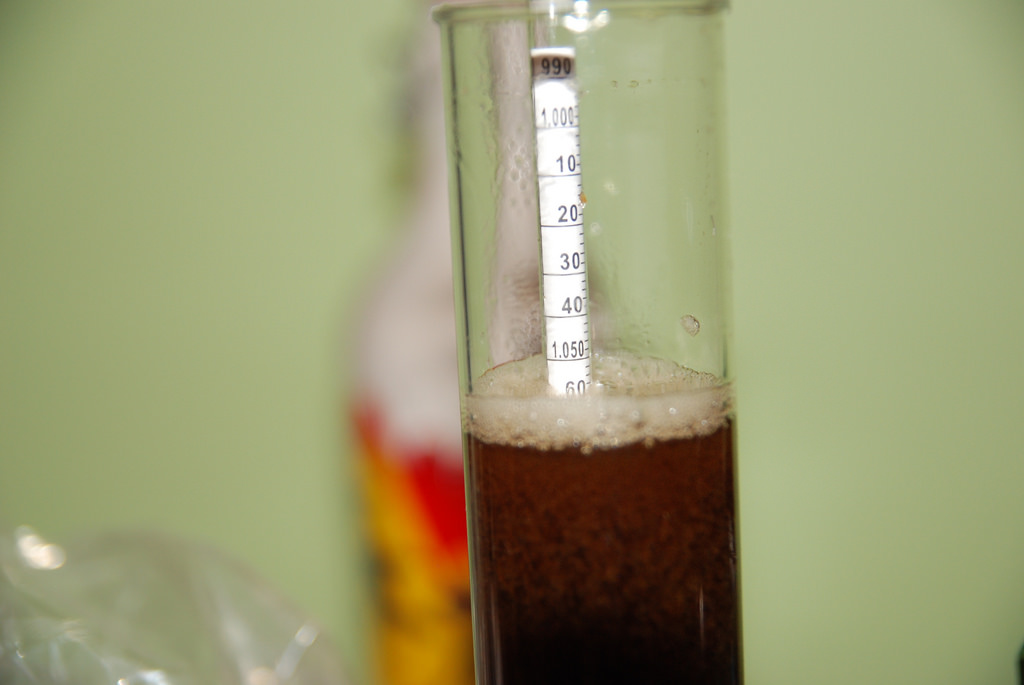
Stuck Fermentations: How to Prevent, Diagnose, and Restart Primary and Secondary Fermentations
Keep Reading More!
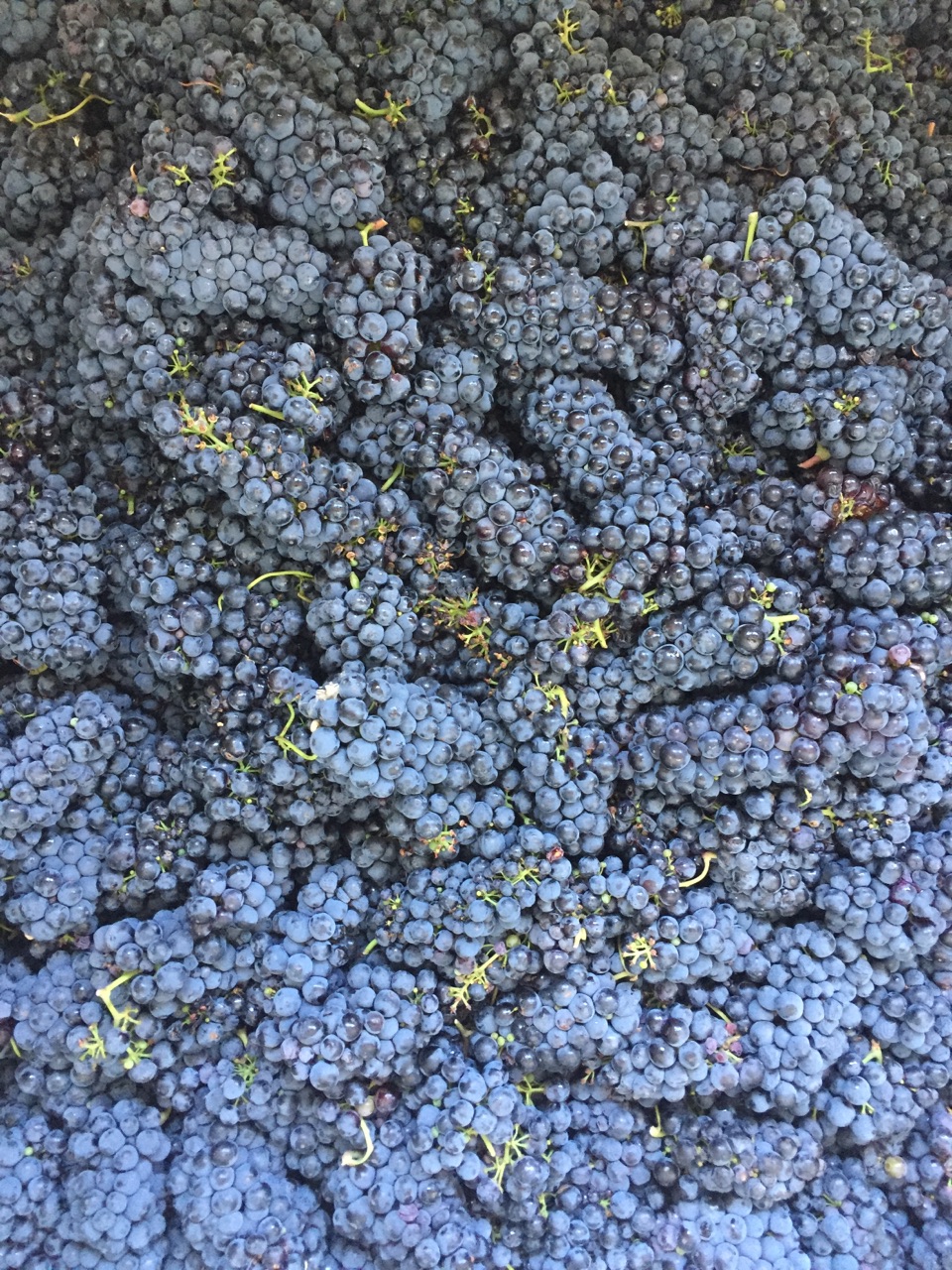 When it comes to making exceptional wine, it’s easy to focus on the equipment, techniques, and chemistry in the cellar. But seasoned winemakers know the truth: great wine isn’t made—it’s grown.