

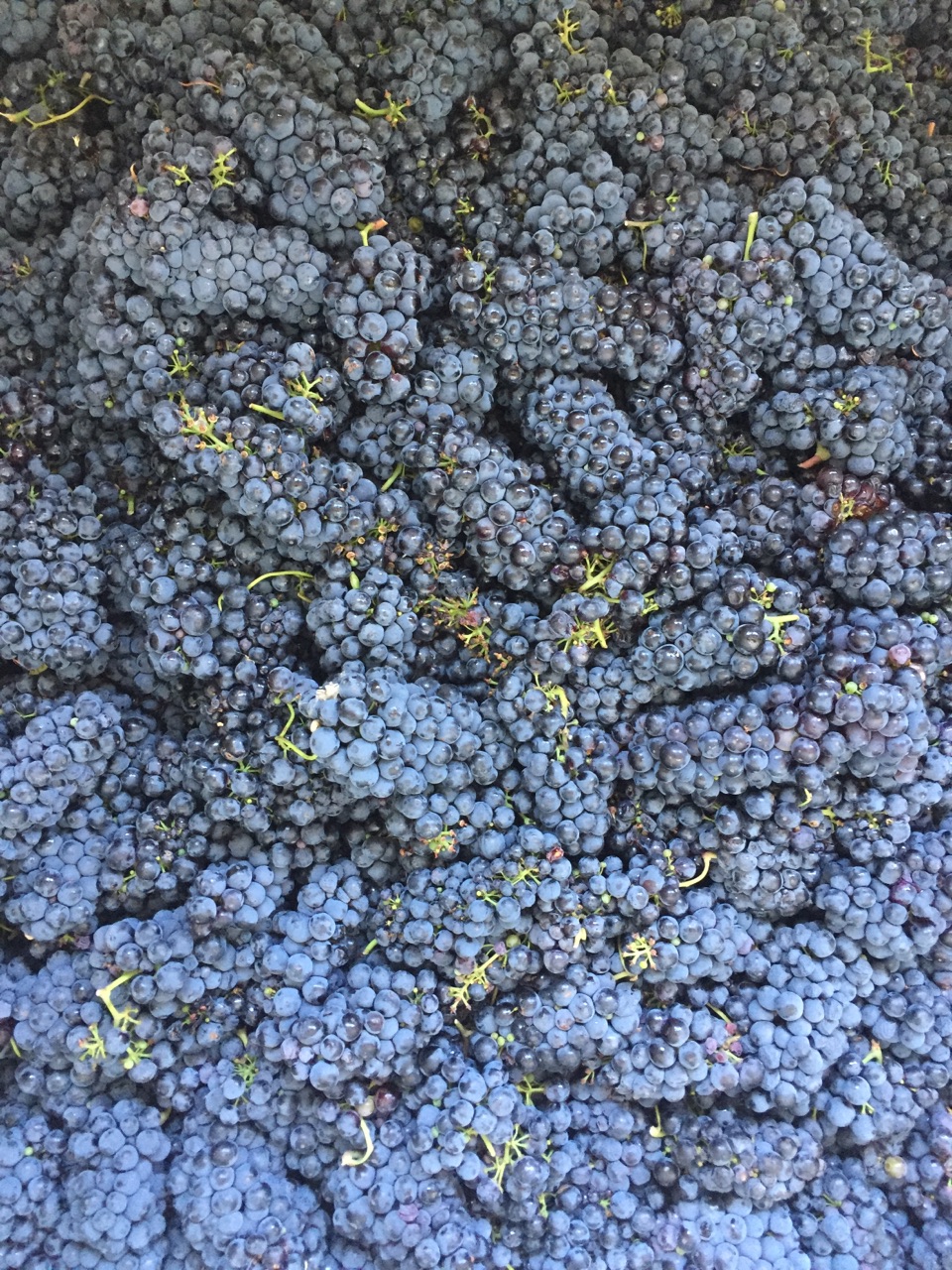
 When it comes to making exceptional wine, it’s easy to focus on the equipment, techniques, and chemistry in the cellar. But seasoned winemakers know the truth: great wine isn’t made—it’s grown.
The quality of your vineyard and grapes sets the foundation for everything that follows. No amount of adjustment or analysis can fully compensate for poor fruit, while high-quality grapes often require less intervention and yield more expressive, balanced wines.
Every vineyard has its own unique combination of soil, climate, elevation, and sun exposure. These factors shape how grapes develop, influencing sugar levels, acidity, tannins, and aromatic compounds.
Grapes grown in well-suited vineyard sites tend to ripen more evenly and develop greater complexity. Balanced conditions—neither too harsh nor too fertile—encourage vines to produce fruit with concentrated flavors rather than excessive yields.
It’s important to evaluate the vineyard as a whole—ensuring the fruit is ripening properly and that the grower is actively managing the vines to prevent damage. While we have limited experience growing grapes ourselves, we’ve spent many harvests hand-picking and have seen our fair share of both care and neglect.
If you are a newer home winemaker and are using one of the many wine kits available, these are generally set up so that you can get through primary fermentation without any adjustments or additions. It is common for pH and TA measurements to be supplied by the maker of the kit.
How Testing Fits In
Even with excellent grapes, analysis still plays a critical role. Measuring parameters like pH, titratable acidity, and sulfite levels helps you make informed decisions throughout fermentation and aging.
But here’s the key: testing works best as a guide, not a fix. When your starting fruit is strong, your measurements will confirm what you already see and taste—rather than trying to correct fundamental issues.
If you are using frozen must, it may be prudent to check your values for the following tests even if they are supplied by the vendor.
What tests and when?
Brix to determine harvest time:
We all know that the sugar level is paramount in deciding when to pick. Be sure you have a good refractometer ready; you can check and adjust it by measuring the Brix of water (which should be 0.0) and of a sugar solution. I like to make a 24 Brix (24°Bx) solution for this. Remember that Brix is percent by weight (grams of sugar per 100 grams of solution). So as a check on my refractometer, I dissolve 24 grams of sugar (sucrose) into 76 grams of water to achieve 100 grams of total solution; this is 24% sucrose by weight. For accuracy, I use a scale to weigh both ingredients, as simple weight-to-volume measurements can mislead you.
At harvest, you’re looking for a Brix level that’s appropriate for your varietal, but you also want to look at the pH and the TA value, because it may be better to harvest sooner or later if the pH and TA values suggest it. Most grapes at maturity are going to come in between 22 and 25 Brix, but if a pH value is low and/or TA is high for that varietal, you may want to delay harvest a week or more to see if you get the anticipated rise in pH and fall in TA. At the least, it’s a good idea to get a preliminary pH value at this point when you’re sampling to assess a harvest date.
Speaking of sampling – a big problem can result from sampling errors: you unconsciously pick the better-looking grapes when sampling a vineyard, resulting in a higher brix value and different pH/TA numbers than what you will end up with after crushing what you actually picked. So it’s important to grapes from several points in the vineyard on both sides of multiple rows, taking several clusters to try and create a sample that is representative.
pH/TA plus adjustments:
Measure pH and TA levels at harvest and be prepared to make adjustments before pitching the yeast. Experience (or the experience of others) should be your best guide, but you can find several resources online about how to deal with pH/TA values that are way off. If you have a big red varietal that’s coming in at pH 3.1 you may want to perform an adjustment with calcium or potassium carbonate. Or a wine whose pH is above 4 may benefit from addition of acid like tartaric acid. A good idea is to perform adjustments on smaller volumes of your must, like 100 to 1000 mL, test the outcome, then decide what to do to scale up on the remaining bulk.
YAN
Although usually not done before harvest, measuring and adjusting Yeast Assimilable Nitrogen (YAN) is highly advised right before inoculating your must with yeast. This will help prevent sluggish or stuck fermentations, and reduces the risk of producing undesirable compounds like hydrogen sulfide that ruin desired wine sensory profiles, as outlined by Vinmetrica and Penn State Extension.
Analysis is best done on grape juice or must at the moment of inoculation. In addition, it may be smart to check again at 30% completion of fermentation (SG 1.06 – 1.08, 3 to 5 days typically). Make additions if needed with DAP or Fermaid K or O. Avoid adding YAN after ~50% completion (i.e. ~12 Brix or SG 1.050).
Common techniques include enzymatic assay kits and the Formol Titration, the latter as a kit from Vinmetrica and Mettler-Toledo.
The goal of measuring YAN is to match the nitrogen content of the must with the specific demands of the chosen yeast strain to ensure fermentation success.
Partnering with Growers
If you’re sourcing grapes rather than growing your own, building relationships with trusted growers is invaluable. Clear communication about harvest timing, grape condition, and vineyard practices can make a significant difference in your final product.
Whenever possible, taste the fruit, inspect its condition, and review basic metrics before committing. A little diligence at this stage can save a lot of effort later.
While we often worked with smaller or less experienced vineyards, it was relatively easy to monitor grape development firsthand. However, if you’re working with frozen must, you’re placing full trust in the grower. Choosing a reputable source is essential—and if you do, you should be in good hands.
The Bottom Line
You can think of winemaking as a chain of decisions—but the very first link is the vineyard. The better your starting point, the more potential your wine has to shine.
Investing in high-quality grapes doesn’t just improve your wine—it simplifies your process, reduces guesswork, and allows your craftsmanship to truly stand out.
So the next time you plan a batch, remember: the path to great wine begins long before fermentation ever starts.
Is there anything we missed? Let us know in the comments or send us a email to info@vinmetrica.com.